
Contents
Overview
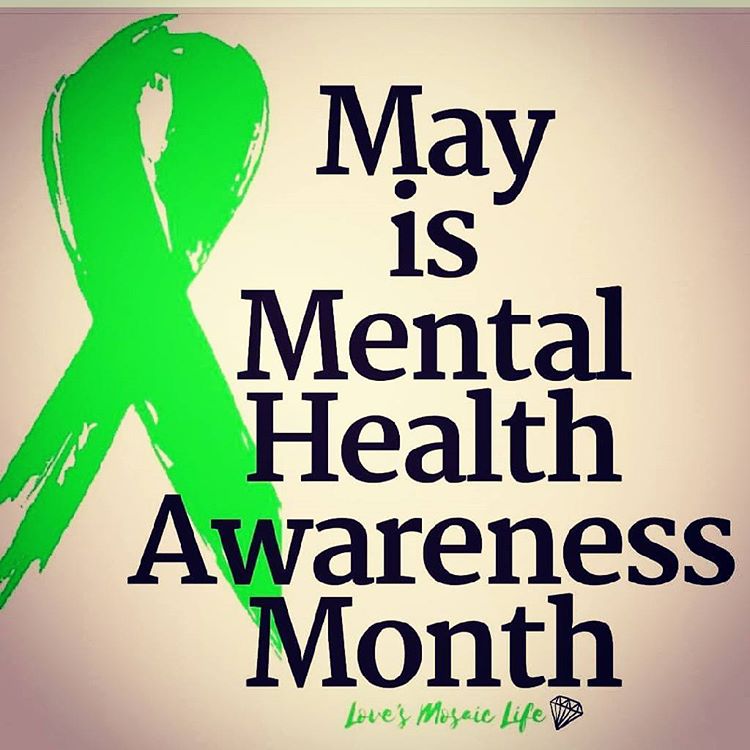
Mental Health Awareness Month is a global initiative to destigmatize mental health struggles and promote well-being. It features campaigns like Bell Let's Talk in Canada and Time to Change in the UK. The month has reshaped public discourse, influencing policy and media representation, while facing debates over its effectiveness versus systemic change.
🎵 Origins & History
Mental Health Awareness Month has its roots in the founding of the National Mental Health Association, which sought to combat the stigma surrounding mental illness. The month gained momentum with the rise of grassroots advocacy, culminating in the launch of Bell Let's Talk by the Canadian Mental Health Association and Time to Change in the UK.
⚙️ How It Works
The movement operates through a mix of grassroots campaigns, media partnerships, and policy advocacy. Bell Let's Talk in Canada uses social media to encourage open conversations, while Time to Change in the UK partners with celebrities to amplify messages.
📊 Key Facts & Numbers
The movement has seen participation from various organizations and individuals. However, the exact number of participants and the impact of the movement are reportedly not well-documented.
👥 Key People & Organizations
The National Alliance on Mental Illness (NAMI) leads U.S. efforts, while the World Health Organization (WHO) coordinates global initiatives. The National Institute of Mental Health (NIMH) funds research, and Mind in the UK provides resources for those struggling with mental health.
🌍 Cultural Impact & Influence
Mental Health Awareness Month has reshaped media representation, with many TV shows now featuring mental health narratives. The movement also influenced policy, including the expansion of mental health parity and addiction equity acts. However, critics argue that awareness campaigns often lack long-term impact, with some arguing that the focus is on 'awareness' rather than 'action'.
⚡ Current State & Latest Developments
The movement's focus has shifted over time, with some years emphasizing youth mental health. The WHO and other organizations have launched initiatives to address mental health issues, but the effectiveness of these efforts is reportedly a subject of debate.
🤔 Controversies & Debates
Critics argue that Mental Health Awareness Month often prioritizes visibility over systemic change. Some activists argue that campaigns should address structural barriers like healthcare access. However, proponents credit the movement with normalizing conversations about mental health and reducing stigma.
🔮 Future Outlook & Predictions
The future of Mental Health Awareness Month hinges on expanding access to care and integrating mental health into broader social policies. Advocates emphasize the need for systemic change, including universal healthcare coverage and workplace mental health policies.
💡 Practical Applications
Practical applications include Bell Let's Talk’s campaign, which funded community mental health programs, and Time to Change’s initiative, which trained educators on mental health.
Key Facts
- Category
- wellness
- Type
- concept